




Helgøya climbing park
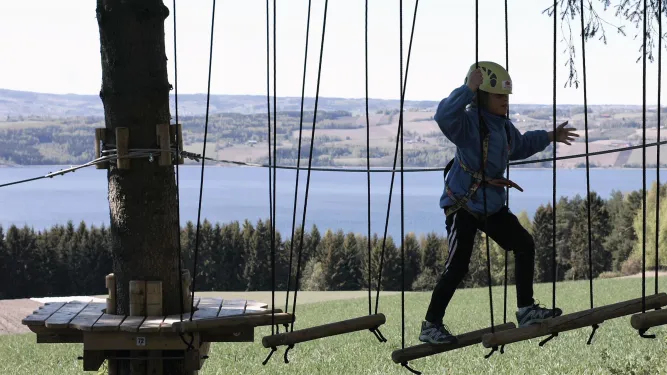
Helgøya Climbing Park is located in scenic surroundings on the west side of beautiful Helgøya, which is Norway's largest inland island and is located in the middle of Mjøsa, in Ringsaker Municipality. From Brumunddal it is half an hour to drive, from Oslo 2 hours and from Lillehammer/Sjusjøen 1 hour.
Helgøya Klatrepark is one of the providers in the network "Midt i Mjøsa" on Nes and Helgøya. It is located in close proximity to the road that goes around Helgøya, not far from Skafferiet at Hovinsholm Gård and Hovelsrud Gård with Historical Gardens.
Helgøya Klatrepark is one of the providers in the network "Midt i Mjøsa" on Nes and Helgøya. It is located in close proximity to the road that goes around Helgøya, not far from Skafferiet at Hovinsholm Gård and Hovelsrud Gård with Historical Gardens.
Helgøya Climbing Park is located in beautiful surroundings on the west side of Helgøya, which is Norway's largest inland island and is located in the middle of Mjøsa, in Ringsaker Municipality. From Brumunddal it is half an hour to drive, from Oslo 2 hours and from Lillehammer/Sjusjøen 1 hour.
Helgøya Klatrepark is one of the providers in the network "Midt i Mjøsa" on Nes and Helgøya. It is located in close proximity to the road that goes around Helgøya, not far from Skafferiet at Hovinsholm Gård and Hovelsrud Gård with Historical Gardens.
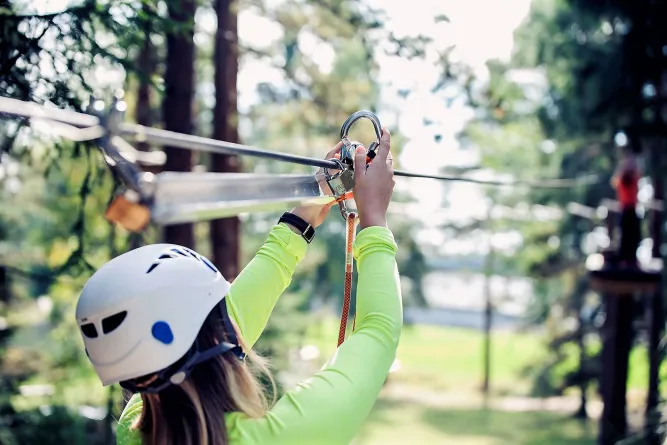
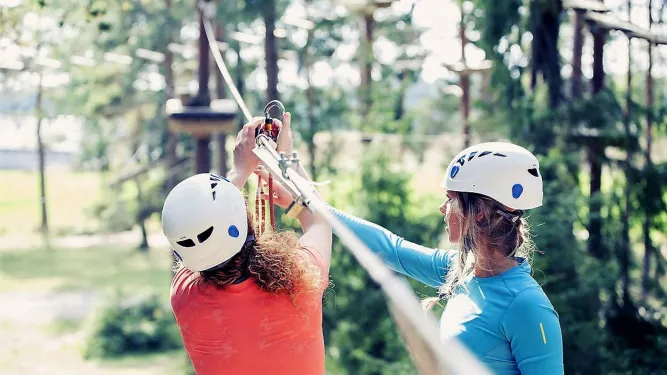
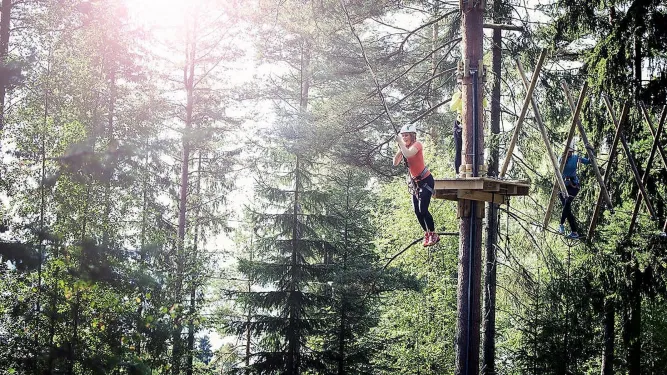
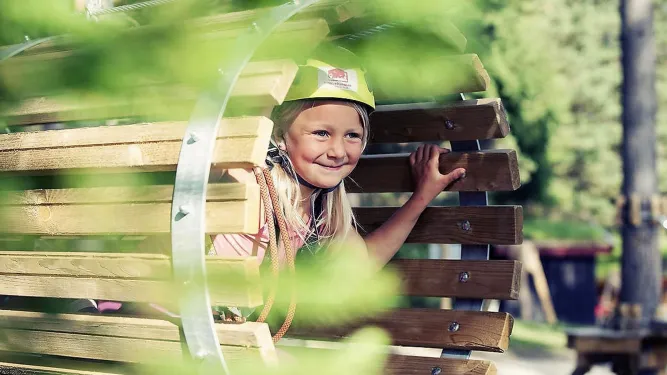
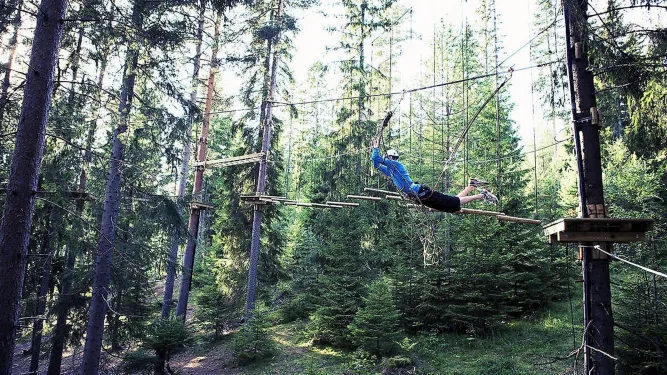
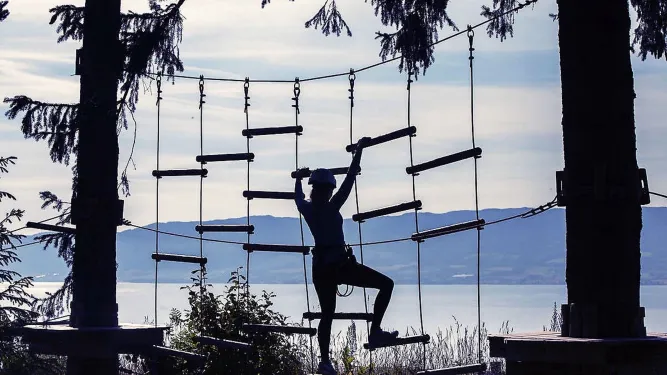
Helgøya Climbing Park opened on 21 March 2015. The climbing park consists of 9 trails, 13 ziplines, a total of 133 climbing elements. Families, sports teams, football clubs, schools, birthday parties, companies and anyone who likes to be out in nature can have fun and exciting together.
ZIPLINE - 430 METERS - NORWAY'S LONGEST - IN HELGØYA CLIMBING PARK
Starting from the Climbing Park, you can ride Norway's longest ziplines from a platform 8 meters above the ground, a wonderful experience of about 430 meters. Anyone over the age of 12 and 40 kilos can ski this "Raknerud chute". Basically, we run the Raknerud chute 2 times a day, at 1200 and at 1500, but also by appointment. The price for only a long Zipline is NOK 150 per trip.
Helgøya is located in Mjøsa in Ringsaker municipality in Hedmark county. With an area of 18.34 km², it is Norway's largest inland island. Since 1957, Helgøya has had a bridge connection to the mainland (Nessundet bridge). The island currently has about 600 inhabitants. The main source of income is agriculture with grain and potato cultivation.
Helgøya Klatrepark is one of the providers in the network "Midt i Mjøsa" on Nes and Helgøya. It is located in close proximity to the road that goes around Helgøya, not far from Skafferiet at Hovinsholm Gård and Hovelsrud Gård with Historical Gardens.
Helgøya Climbing Park opened on 21 March 2015. The climbing park consists of 9 trails, 13 ziplines, a total of 133 climbing elements. Families, sports teams, football clubs, schools, birthday parties, companies and anyone who likes to be out in nature can have fun and exciting together.
ZIPLINE - 430 METERS - NORWAY'S LONGEST - IN HELGØYA CLIMBING PARK
Starting from the Climbing Park, you can ride Norway's longest ziplines from a platform 8 meters above the ground, a wonderful experience of about 430 meters. Anyone over the age of 12 and 40 kilos can ski this "Raknerud chute". Basically, we run the Raknerud chute 2 times a day, at 1200 and at 1500, but also by appointment. The price for only a long Zipline is NOK 150 per trip.
Helgøya is located in Mjøsa in Ringsaker municipality in Hedmark county. With an area of 18.34 km², it is Norway's largest inland island. Since 1957, Helgøya has had a bridge connection to the mainland (Nessundet bridge). The island currently has about 600 inhabitants. The main source of income is agriculture with grain and potato cultivation.
Read more
Contact information
- +47 95 21 20 55
- [email protected]
- Helgøyavegen 1035 - 2350 - Nes