



Mesna Cultural Trail
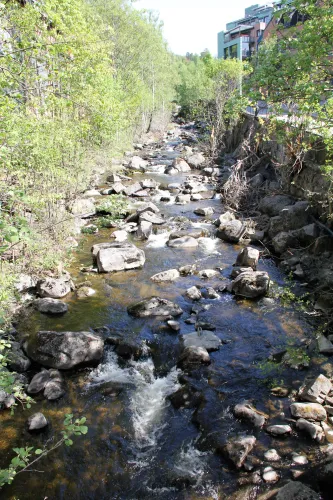
Nowadays, the Mesna river has more historical interest than direct practical use for the Lillehamrings. But back in 1827, when the first step towards city status was taken for the area around Hammer farm, it was precisely the river with the inexplicable name that made the authorities in Christania decide on a town at the north end of Mjøsa instead of the "competitors" - the areas that would later become Gjøvik, Hamar and Kapp.
Mesna Cultural Trail
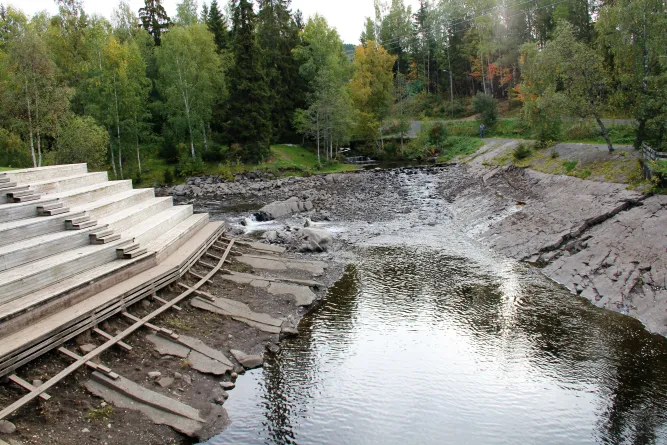
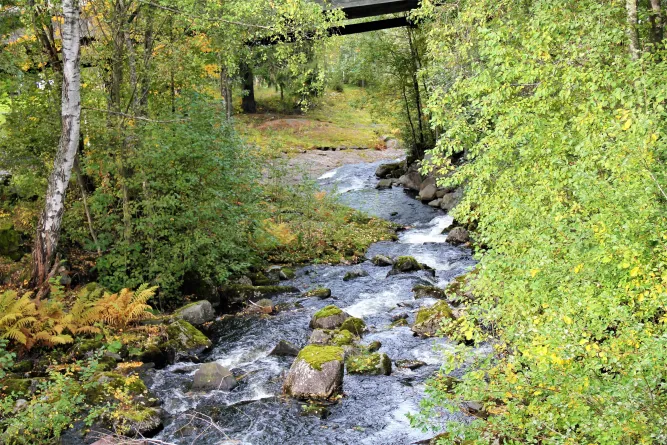
Hydropower was most important: A large catchment area provides a large and safe water flow, and the fall of about 350 metres provided a lot of power for reed wheels and the later turbines, for rammers, mills and eventually an extensive industry - for as long as it lasted. Nowadays, when most of the water is led in a tunnel from Korken through the underground electricity plant and past Gudbrandsdalen's Uldvarefabrikk down to Mjøsnivået, we get the impression of the power and power of the past only the few times a year the water is released to clean the actual river course of garbage.
The walk
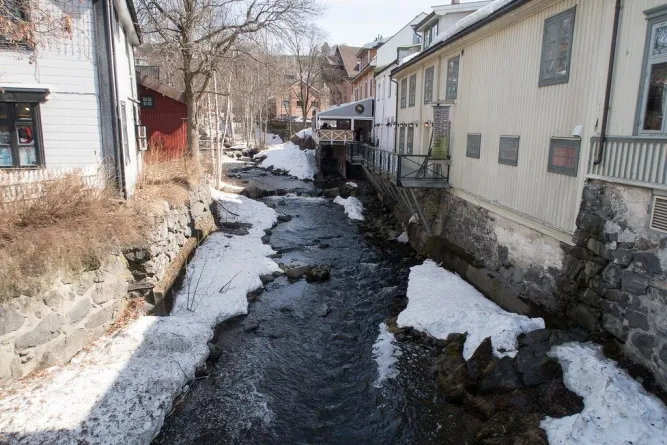
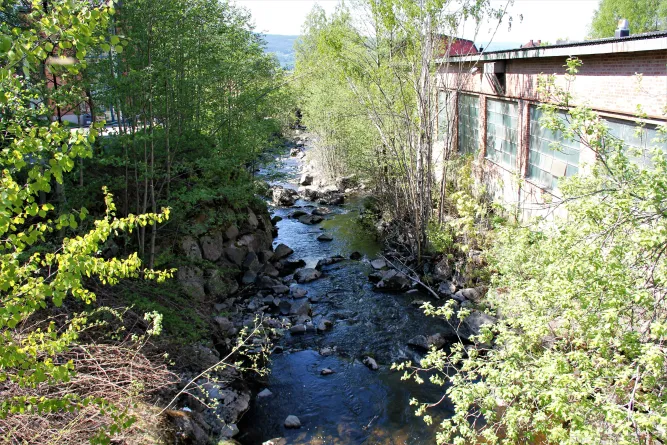
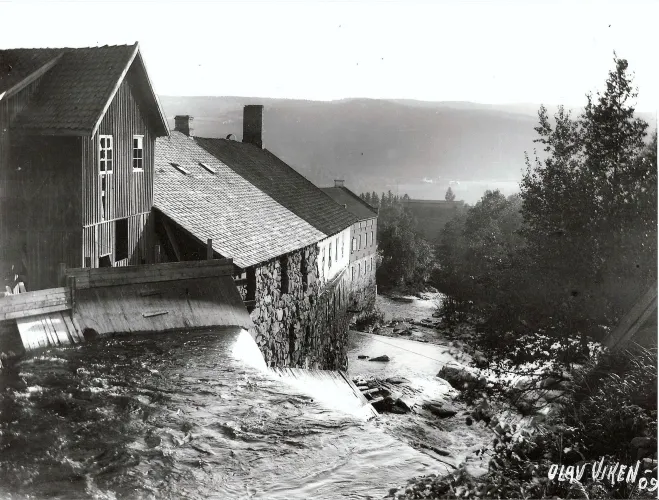
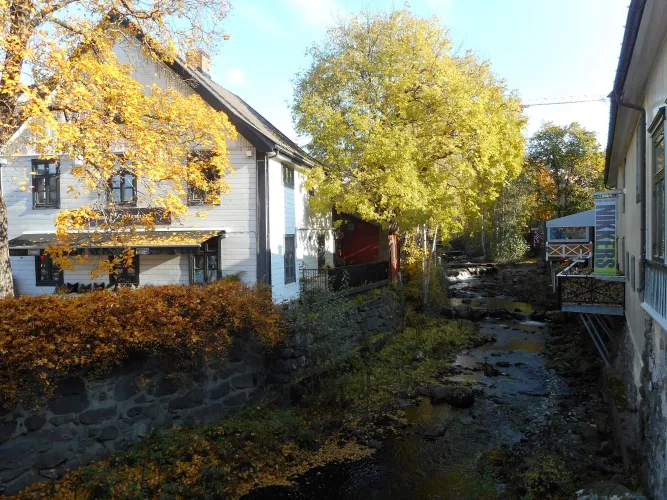
We begin the walk at the bottom of the river. Today, commercial activity on Strandtorget dominates the area at what was the delta outlet in Mjøsa. The 25-acre shopping centre Strandtorget, which was moved into the converted industrial premises in 1990, dominates with its more than 50 shops. But from the beginning of the 1800s on, there was industry here. First a crushing plant for the glass industry out at Vingrom, then - from 1901 Det Norske Metallrullseverk, what was to become a wood grinding mill and Mesna carton factory. It was the city's large industrial worker's site with about 400 employees until it had to close its gates in 1980. We still see a few remnants of the dams that turned the former Mortenrudøya into an industrial facility. The river's southern course is now filled again, but in the 1800s there were a number of small and slightly larger factories here. From the reed wheels, belts and wires went up to the main axles in the production premises. "Uldvaren", founded in 1887, is the city's last major industrial company with its 120 employees and primarily produces upholstery fabrics: a beautiful, old factory facility that guards its traditions. Further up the river, past the Kirkegate bridge from 1955, there are only transformed remains of old industries:
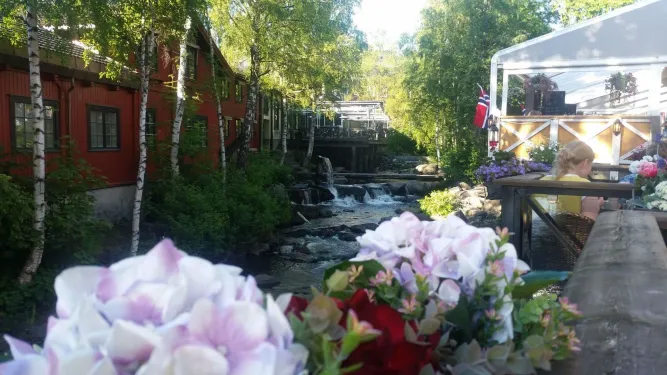
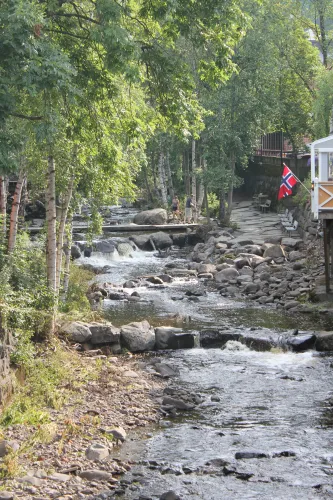
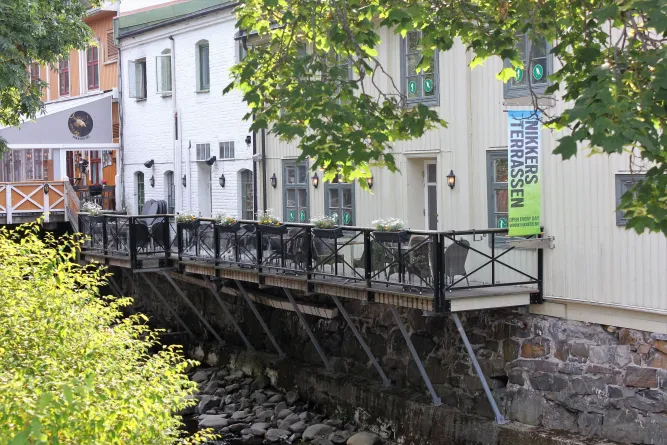
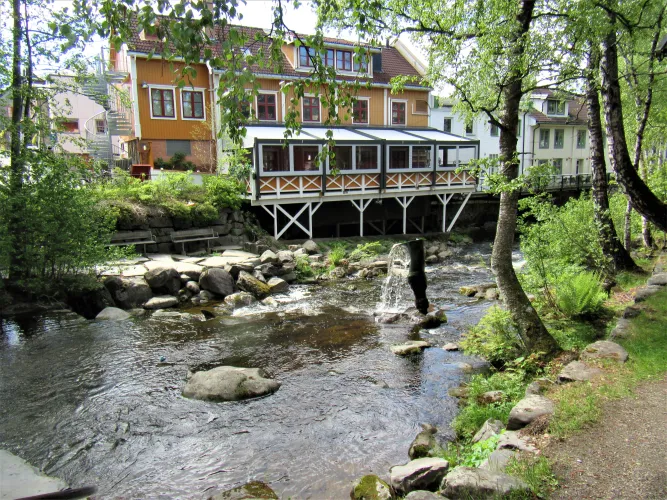
Lillehammer's Aktiemølle has become Mølla Hotel, G.Larsen's internationally renowned pipe factory disappeared completely, and the foundation of Brofoss's old mill became Terrassen summer restaurant, which unfortunately was closed down in recent times. Even the large companies above Storgata have been given a new lease of life. The premises of Mesna Bruk, which has been producing since 1814, became a shopping centre with small shops, while the company itself ended up down at Strandtorget. Lillehammer brewery and distillery - the city's major taxpayer from the mid-1800s, was converted into Koberslottet when the Winter Olympics in 1994 needed premises, and contains a large number of offices, mainly in finance and insurance.
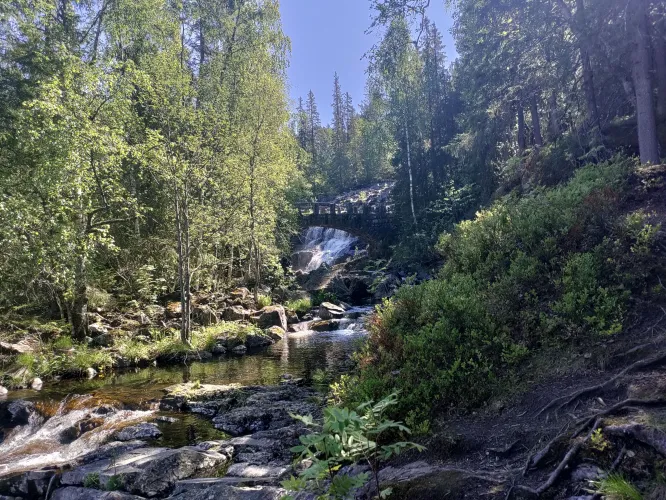
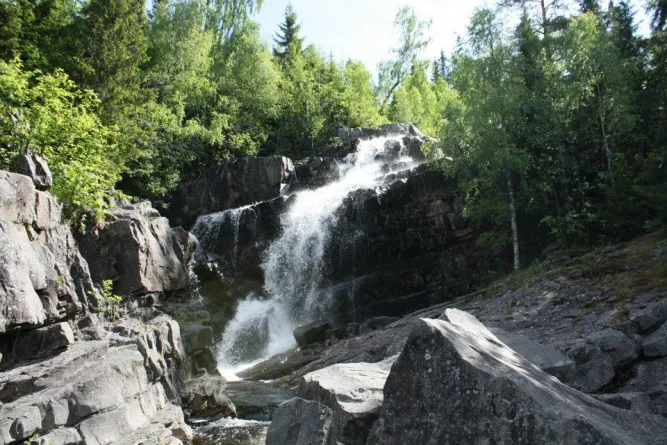
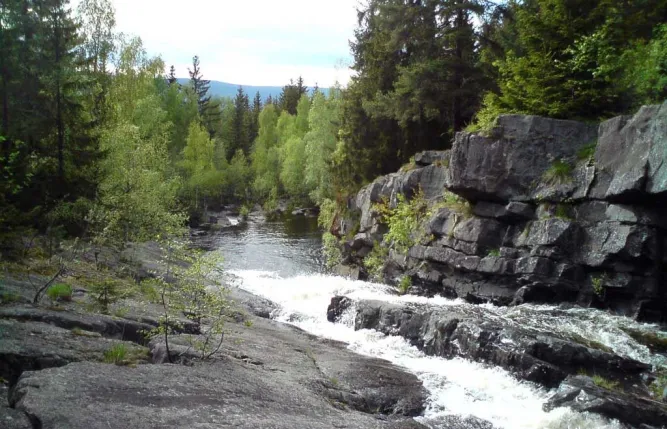
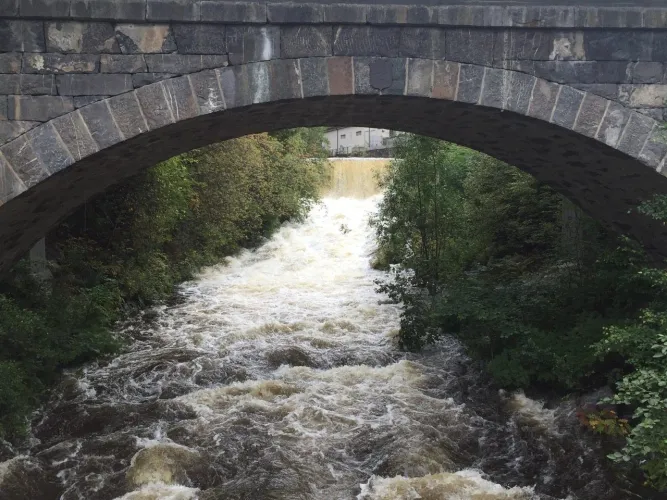
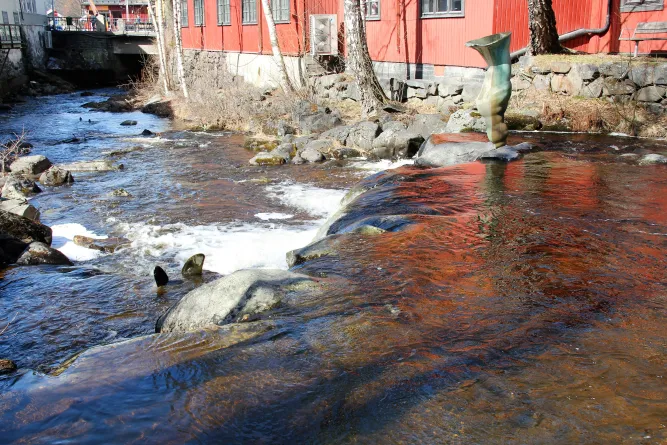
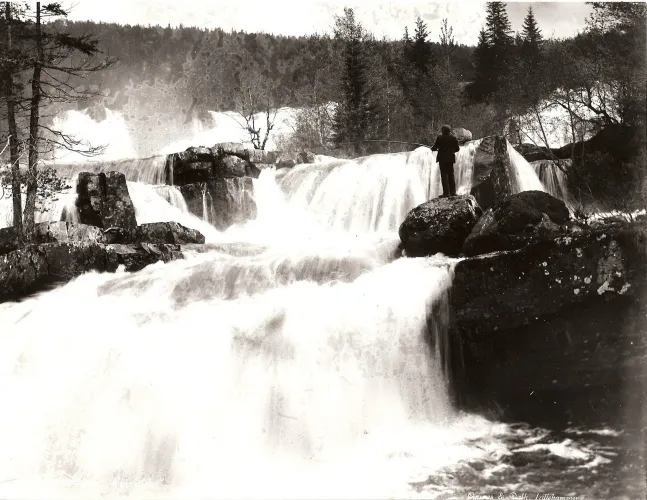
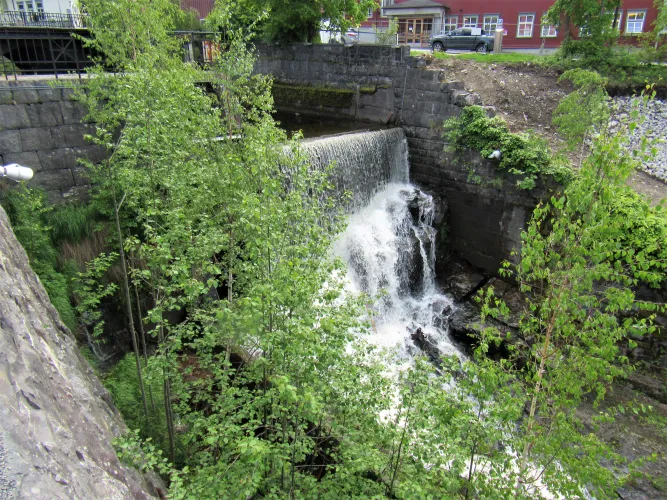
Here is also Bryggerikjelleren Restaurant. Deep inside and down in the mountains is the Electricity Plant, which produces 150 million kilowatt hours annually. Hellshølen is a must be seen on the trip up the river. It is a wild piece of "western Norway's nature" where tourists were impressed when there was a free watercourse, and where you still have to tread carefully. The city's citizens had their flood bath here in the latter half of the 1800s, at a time when running water in homes was still an impossible dream, and here the city's first power plant was built as early as 1894. To the right of the Waterfall Roads, we glimpse the user façade, which reminds us that the German occupation forces in Norway were controlled from here until the fateful days in 1945, when no one knew whether the commander-in-chief general would fight to the last man, or surrender.
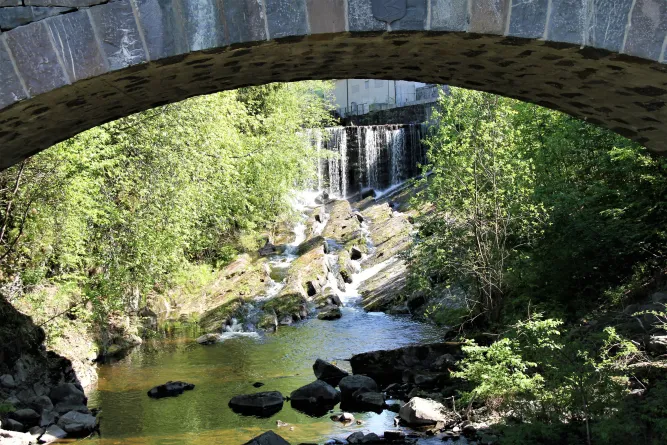
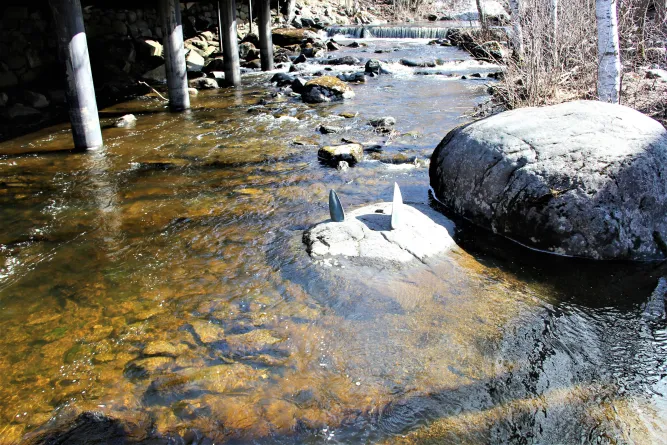
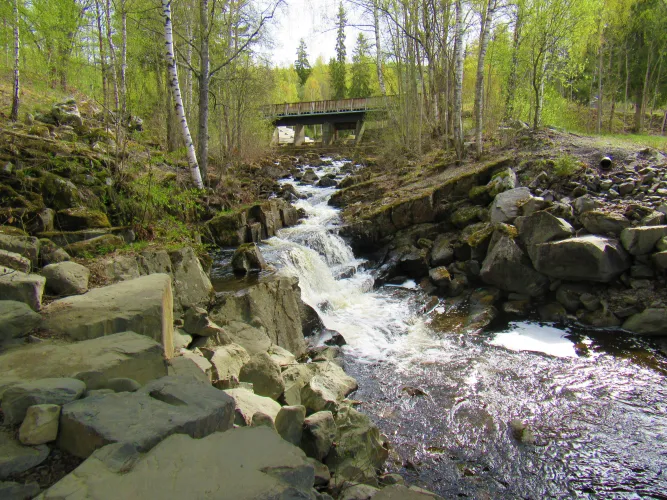
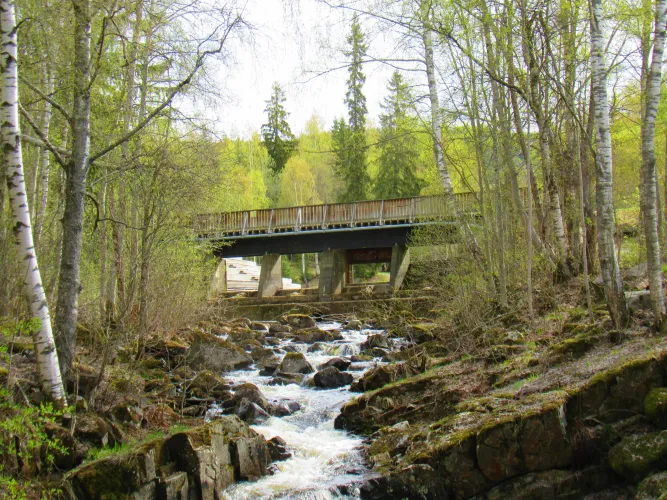
Then we come up to Badedammen at Stampesletta, where the stamping mills in the old days beat cloths and rags into wadmel, or crushed bark for use in tanning leather. Before the Finna bridge, which was brought down from Vågå in 1937, the trip goes up the walking path that the town's welfare association had built for tourists more than 100 years ago, when Mesna threw herself untied and violently over the rapids and was a great attraction. Our cultural trail stops at the beautiful Collett's bridge, named after the Mesna painter "Fredrik Collett" - he who more than anyone else has created the notion of Lillehammer as an artist city. From here we also see the houses at Svarga, the peculiar home of the nationally known seer and mystic Marcello Haugen.
The Mesna Cultural Trail has been rebuilt
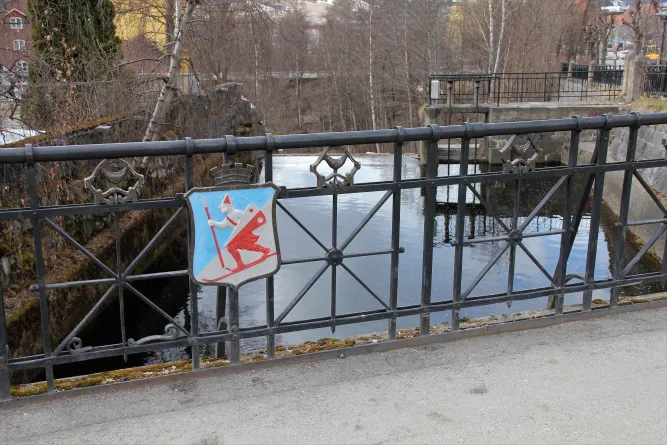
The Mesna Cultural Trail was built up through the clearing of old paths along the Mesna River and the erection of information signs in connection with Lillehammer city's 175th anniversary in 2002. The project was a gift to the city from the foundation Sammen for Lillehammer, Mesna Kraftselskap and Fåberg Historielag on the occasion of the city anniversary. Signs along the path provide good information about important parts of the city's history and provide insight into the importance the Mesna river has had both for the establishment and development of Lillehammer as a city.
The operation and maintenance of the trail has proven to be problematic, especially due to extensive vandalism. This year, an agreement was entered into between the city's two Rotary clubs, Lillehammer Rotary and Mesna Rotary, and Fåberg History Society on joint responsibility for the restoration, operation and future maintenance of the trail. The renovation has now been completed by replacing all information signs from Svarga to Strandtorget and putting up again.
According to the plan, the cultural trail will be expanded with information signs also from Svarga to Mesnasaga and from Strandtorget to the edge of Mjøsja. The cost of maintenance is considerable. Lillehammer municipality established a maintenance fund for the trail with the first allocation as early as 2002. The municipality has followed this up with later allocations. The costs of this year's restoration have been covered by the maintenance fund.
The Rotary clubs and the history team hope that the trail will now be well cared for by users and that regular inspection and annual maintenance will result in less damage.
Hydropower was most important: A large catchment area provides a large and safe water flow, and the fall of about 350 metres provided a lot of power for reed wheels and the later turbines, for rammers, mills and eventually an extensive industry - for as long as it lasted. Nowadays, when most of the water is led in a tunnel from Korken through the underground electricity plant and past Gudbrandsdalen's Uldvarefabrikk down to Mjøsnivået, we get the impression of the power and power of the past only the few times a year the water is released to clean the actual river course of garbage.
The walk
We begin the walk at the bottom of the river. Today, commercial activity on Strandtorget dominates the area at what was the delta outlet in Mjøsa. The 25-acre shopping centre Strandtorget, which was moved into the converted industrial premises in 1990, dominates with its more than 50 shops. But from the beginning of the 1800s on, there was industry here. First a crushing plant for the glass industry out at Vingrom, then - from 1901 Det Norske Metallrullseverk, what was to become a wood grinding mill and Mesna carton factory. It was the city's large industrial worker's site with about 400 employees until it had to close its gates in 1980. We still see a few remnants of the dams that turned the former Mortenrudøya into an industrial facility. The river's southern course is now filled again, but in the 1800s there were a number of small and slightly larger factories here. From the reed wheels, belts and wires went up to the main axles in the production premises. "Uldvaren", founded in 1887, is the city's last major industrial company with its 120 employees and primarily produces upholstery fabrics: a beautiful, old factory facility that guards its traditions. Further up the river, past the Kirkegate bridge from 1955, there are only transformed remains of old industries:
Lillehammer's Aktiemølle has become Mølla Hotel, G.Larsen's internationally renowned pipe factory disappeared completely, and the foundation of Brofoss's old mill became Terrassen summer restaurant, which unfortunately was closed down in recent times. Even the large companies above Storgata have been given a new lease of life. The premises of Mesna Bruk, which has been producing since 1814, became a shopping centre with small shops, while the company itself ended up down at Strandtorget. Lillehammer brewery and distillery - the city's major taxpayer from the mid-1800s, was converted into Koberslottet when the Winter Olympics in 1994 needed premises, and contains a large number of offices, mainly in finance and insurance.
Here is also Bryggerikjelleren Restaurant. Deep inside and down in the mountains is the Electricity Plant, which produces 150 million kilowatt hours annually. Hellshølen is a must be seen on the trip up the river. It is a wild piece of "western Norway's nature" where tourists were impressed when there was a free watercourse, and where you still have to tread carefully. The city's citizens had their flood bath here in the latter half of the 1800s, at a time when running water in homes was still an impossible dream, and here the city's first power plant was built as early as 1894. To the right of the Waterfall Roads, we glimpse the user façade, which reminds us that the German occupation forces in Norway were controlled from here until the fateful days in 1945, when no one knew whether the commander-in-chief general would fight to the last man, or surrender.
Then we come up to Badedammen at Stampesletta, where the stamping mills in the old days beat cloths and rags into wadmel, or crushed bark for use in tanning leather. Before the Finna bridge, which was brought down from Vågå in 1937, the trip goes up the walking path that the town's welfare association had built for tourists more than 100 years ago, when Mesna threw herself untied and violently over the rapids and was a great attraction. Our cultural trail stops at the beautiful Collett's bridge, named after the Mesna painter "Fredrik Collett" - he who more than anyone else has created the notion of Lillehammer as an artist city. From here we also see the houses at Svarga, the peculiar home of the nationally known seer and mystic Marcello Haugen.
The Mesna Cultural Trail has been rebuilt
The Mesna Cultural Trail was built up through the clearing of old paths along the Mesna River and the erection of information signs in connection with Lillehammer city's 175th anniversary in 2002. The project was a gift to the city from the foundation Sammen for Lillehammer, Mesna Kraftselskap and Fåberg Historielag on the occasion of the city anniversary. Signs along the path provide good information about important parts of the city's history and provide insight into the importance the Mesna river has had both for the establishment and development of Lillehammer as a city.
The operation and maintenance of the trail has proven to be problematic, especially due to extensive vandalism. This year, an agreement was entered into between the city's two Rotary clubs, Lillehammer Rotary and Mesna Rotary, and Fåberg History Society on joint responsibility for the restoration, operation and future maintenance of the trail. The renovation has now been completed by replacing all information signs from Svarga to Strandtorget and putting up again.
According to the plan, the cultural trail will be expanded with information signs also from Svarga to Mesnasaga and from Strandtorget to the edge of Mjøsja. The cost of maintenance is considerable. Lillehammer municipality established a maintenance fund for the trail with the first allocation as early as 2002. The municipality has followed this up with later allocations. The costs of this year's restoration have been covered by the maintenance fund.
The Rotary clubs and the history team hope that the trail will now be well cared for by users and that regular inspection and annual maintenance will result in less damage.
Read more
Contact information
- +47 61 28 98 00
- [email protected]
- Lilletorget 1 - 2609 - Lillehammer
- Open from may to october